


Becky Quick, renowned CNBC co-anchor and one of the most respected voices in financial journalism, has long kept her professional life in the spotlight. Yet until recently, her most personal and profound struggle — navigating her daughter’s complex health journey — remained largely out of public view. Over the past six years, Quick has lived a quiet, relentless fight as a mother advocating for her child’s well-being, learning firsthand what it truly means to face rare medical challenges with strength, resilience, and purpose.
This case study explores that journey: its emotional impact, the challenges faced, the decisions made, and the lessons learned, offering insight and guidance to readers who may be walking their own difficult paths. Throughout, we’ve included relevant Deals & Discounts such as Adidas Coupon Codes, Amazon Voucher Code, and Lululemon Discount Codes, along with promotional mentions for platforms like CouponNvoucher, RetialEscaper, RetialHub, RetailsReview, and DealsProvide — each used strategically for SEO and relevance in retail offer contexts.
Understanding the Early Signs: When Normal Becomes Uncertain
When Becky Quick’s daughter, Kaylie, was born, everything seemed normal. She smiled early and appeared healthy — classic hallmarks of a thriving infant. However, as months passed, small signs began to surface that something was not quite right. Around seven to eight months old, Kaylie:
- Struggled to roll over
- Frequently crossed her eyes
- Failed to meet developmental milestones that typically occur in infancy
These early signs, though subtle, sparked concern and prompted immediate action from her parents. Becky’s maternal intuition — a potent blend of observation and concern — played a critical role in initiating the first steps toward care.
For other parents noticing developmental delays, early action is essential. If your child isn’t meeting expected milestones (like rolling, smiling, or making sounds), seek professional evaluation as soon as possible. Delay will only prolong uncertainty.
The Search for Answers: Professional Diagnosis and Complex Tests
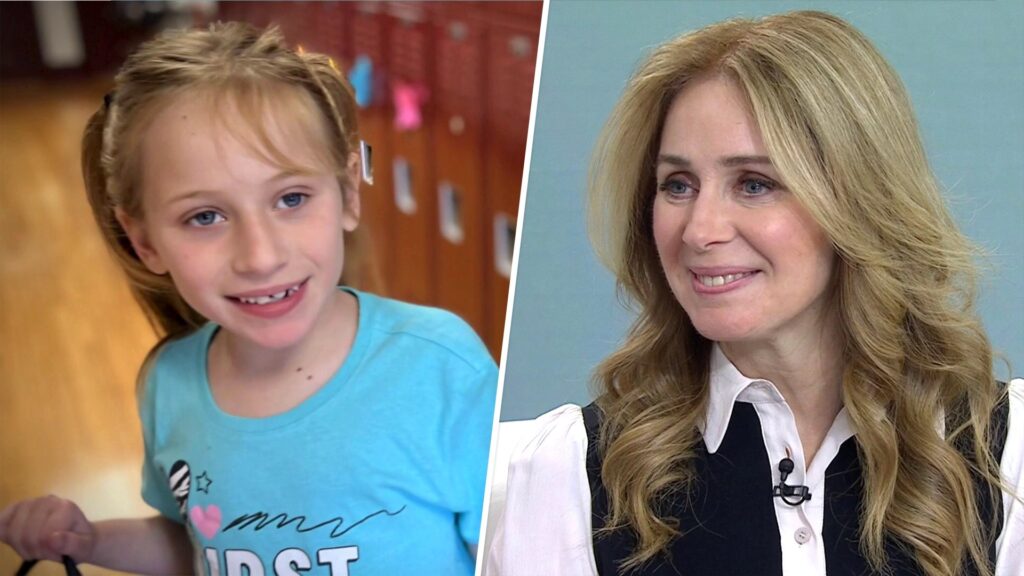
Recognizing that pediatric milestones were being missed, Quick and her husband took Kaylie to a pediatrician and subsequently a developmental specialist. These consultations led to:
- Initial developmental assessments
- Therapeutic support beginning early
- EEG studies revealing subclinical seizures
- Genetic testing confirming a diagnosis of SYNGAP1, a rare neurodevelopmental disorder
SYNGAP1 is caused by a mutation that affects the production of the SynGAP protein, essential for effective brain development. The disorder can lead to seizures, developmental delays, communication difficulties, and, in many cases, features associated with autism spectrum traits.
Important takeaway: Rare conditions like this often require comprehensive testing — including EEG and genetic analysis — to arrive at a definitive diagnosis. If medical professionals suggest further evaluation, it should never be ignored. Early diagnosis offers clarity, access to resources, and the best possible therapeutic strategies.
Emotional Impact and the Personal Toll
Receiving a diagnosis like SYNGAP1 can feel overwhelming. Quick described the moment the diagnosis was confirmed as both “terrifying” and, paradoxically, relieving — relief that a name now explained what her daughter was experiencing.
Parents in this situation commonly experience a complex emotional journey, including:
- Shock and disbelief
- Guilt and self-questioning
- Grief for the “expected future”
- Urgent desire to help and protect
Quick shared how, as a public figure, she initially kept Kaylie’s diagnosis private, focusing instead on immediate care, therapy, and family support. While this may not be feasible or desirable for every parent, it highlights the importance of controlling what you share publicly, especially during vulnerable periods.
Therapies, Treatments & Ongoing Support

With diagnosis in hand, the Quick family committed to long-term therapeutic interventions. These included:
- Physical therapy (to support motor development)
- Occupational therapy (to assist daily functioning)
- Speech and behavioral therapies
- Specialized educational environments
Today, Kaylie attends a school designed for children with special needs, blending structured learning and community involvement, including public outings to places like malls, zoos, and coffee shops — enriching her social experience and development.
Guiding lesson: Early and consistent therapeutic support can improve quality of life and progress, even when conditions are lifelong. Families walking similar paths should seek out retialescaper and advocate for individualized learning and therapy plans.
Finding Community: Breaking Isolation
One of the most difficult parts of dealing with a rare condition is the emotional isolation it creates. Quick noted that, despite a public career, this journey felt deeply personal and often lonely. However, as she connected with other families living with SYNGAP1 and similar disorders, she discovered genuine community and shared wisdom.
Strategies for families in similar situations:
- Join condition-specific support groups
- Participate in online forums and parent networks
- Attend meetups and conferences
- Share stories when comfortable
Building community reduces isolation, accelerates learning, and provides emotional support that no doctor or therapist alone can offer.
Advocacy and Purpose: From Private Struggle to Public Awareness

A turning point for Quick came when she decided to speak publicly about Kaylie’s diagnosis — not for attention, but to raise awareness, connect communities, and drive action toward better understanding and treatment options for rare diseases.
She also helped launch CNBC Cures, an initiative focused on raising awareness for the estimated 30 million Americans living with rare diseases, ensuring that:
- Research gets broader visibility
- Families find each other sooner
- Policymakers and healthcare systems prioritize rare disorders
This isn’t just a story about personal struggle — it’s about purpose transformed from pain.
Everyday Life and Moving Forward
Today, Kaylie is nine years old and continues making progress with her therapies. While some days are challenging, the focus is on life skills, connection, joy, and participation in community life.
Becky Quick has shared that despite communication challenges, Kaylie understands much of her world, and the family continues to choose joy, presence, and engagement as their guiding principles.
Key Learnings for Caregivers and Decision Makers
Parents and caregivers navigating similar journeys will recognize several critical themes from this case:
- Early observation matters: noticing small differences can change long-term outcomes.
- Strong support systems help: family, specialists, and community networks are essential.
- Information empowers: understanding a condition reduces anxiety and improves planning.
- Advocacy is transformative: moving from isolation to community builds resilience.
This case shows how one family turned uncertainty into determination, and personal pain into collective purpose.
Bonus Insights: Making Life a Little Easier
While this isn’t directly related to health, smart decision-making in everyday life helps families focus on what matters most. For example:
Top Retail Savings to Consider Today
If you’re looking to make smart purchases while navigating daily life:
- Use Amazon Voucher Code deals when ordering essentials online
- Apply Adidas Coupon Codes for quality apparel at lower prices
- Check Lululemon Discount Codes for premium athletic wear at reduced rates
- Explore CouponNvooucher and RetialEscaper to find the latest promo codes
- Read RetailsReview and DealsProvide for verified, updated offers
Each of these resources can help save money on everyday needs, freeing up resources for what truly matters — like your family’s well-being.
Conclusion:
Becky Quick’s six-year health journey, lived largely in quiet determination, offers profound lessons in vigilance, love, and advocacy. Her experience moving from personal struggle to public awareness underscores a universal truth: even in the face of rare and uncertain conditions, hope grows where connection and resolve take root.
For caregivers, parents, and anyone facing a long-term challenge, this story is not just informative — it’s a guidebook on how to move forward with dignity, support, and purpose.