


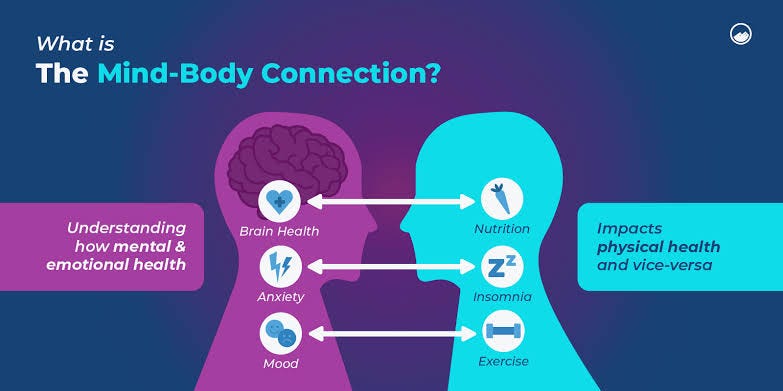
Mental wellness and physical health are deeply interconnected. Modern research continues to show that thoughts, emotions, and stress levels influence how the body functions, heals, and responds to illness. Ignoring mental health often leads to physical symptoms, while emotional balance strengthens resilience and overall well-being.
Understanding the mind–body connection empowers individuals to make informed lifestyle decisions that support long-term health in a natural and sustainable way.
Understanding the Mind–Body Connection
The mind and body do not function as separate systems. They constantly communicate through complex biological pathways that influence health outcomes.
What Is the Mind–Body Relationship?
The mind–body relationship refers to how mental states such as stress, anxiety, and emotional well-being affect physical processes. Thoughts and emotions can trigger physiological reactions that impact digestion, immunity, heart rate, and pain perception.
How Mental Health Influences Physical Functions
Mental health affects sleep quality, hormone balance, inflammation, and immune response. Chronic emotional distress can weaken bodily systems, while mental stability promotes healing and functional balance.
The Science Behind Mental and Physical Health
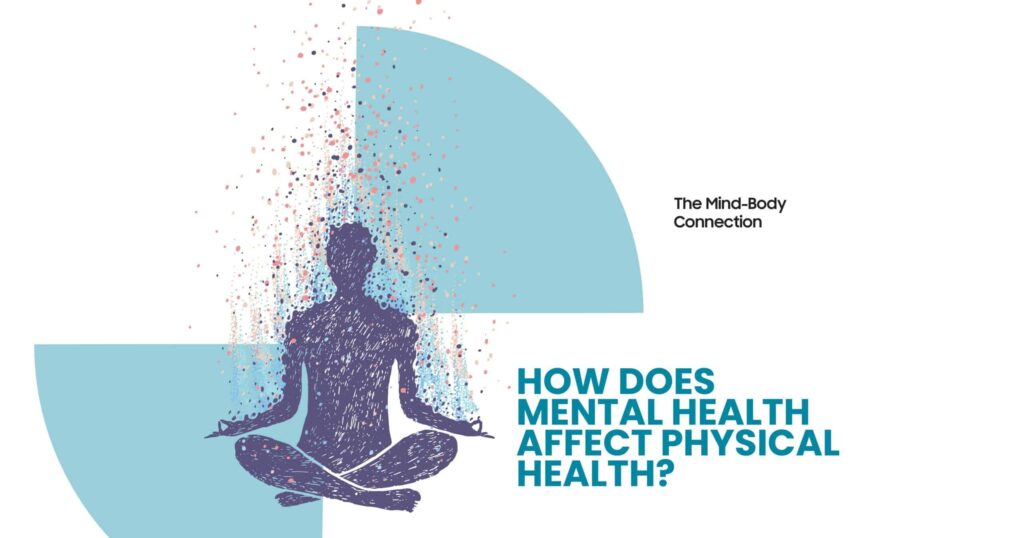
Scientific studies confirm that mental and physical health are biologically connected through neural and chemical signaling systems.
Role of the Nervous System
The nervous system acts as a communication bridge between the brain and the body. Stress activates the sympathetic nervous system, increasing heart rate and muscle tension, while relaxation activates recovery and repair mechanisms.
Hormones, Stress, and Inflammation
Stress hormones such as cortisol influence inflammation levels. Long-term elevation of these hormones contributes to chronic conditions like diabetes, hypertension, and autoimmune disorders.
How Stress Affects the Body
Stress is a natural response, but when it becomes chronic, it creates serious physical consequences.
Physical Symptoms of Chronic Stress
Ongoing stress may cause headaches, muscle pain, digestive problems, fatigue, and sleep disturbances. These symptoms often appear gradually and worsen without proper stress management.
Long-Term Health Risks of Unmanaged Stress
Prolonged stress increases the risk of heart disease, obesity, weakened immunity, and mental burnout. Managing stress early helps prevent long-term damage to vital systems.
Mental Wellness and Immune System Health

The immune system responds not only to pathogens but also to emotional and psychological states.
How Emotions Impact Immunity
Positive emotions support immune balance, while anxiety and depression suppress immune responses. Emotional distress can reduce the body’s ability to fight infections effectively.
Stress and Increased Risk of Illness
High stress levels lower immune efficiency, making the body more vulnerable to colds, inflammation, and slow recovery from illness.
Impact of Mental Health on Heart Health
Heart health depends heavily on emotional stability and stress regulation.
Anxiety, Depression, and Cardiovascular Risk
Chronic anxiety and depression elevate blood pressure and heart rate. These conditions increase the risk of heart disease and stroke over time.
How Emotional Balance Supports Heart Function
Emotional regulation reduces stress hormones and supports healthy circulation. Calm mental states help maintain optimal heart rhythm and blood vessel function.
Gut Health and Mental Well-Being
The digestive system and brain communicate constantly through neural and chemical signals.
The Gut–Brain Axis Explained
The gut–brain axis links emotional health with digestion. Neurotransmitters produced in the gut influence mood, while stress alters gut bacteria balance.
How Anxiety and Stress Affect Digestion
Stress disrupts digestion, causing bloating, acid reflux, and irregular bowel movements. Managing mental health supports a healthier digestive system.
Sleep, Mental Health, and Physical Recovery

Sleep quality reflects mental health and plays a vital role in physical recovery.
How Mental Stress Disrupts Sleep
Stress and anxiety overstimulate the brain, making it difficult to fall or stay asleep. Poor sleep further increases emotional instability, creating a negative cycle.
Importance of Quality Sleep for Healing
Deep sleep allows tissue repair, immune regulation, and cognitive restoration. Consistent sleep patterns support both retialescaper mental clarity and physical strength.
Lifestyle Habits That Strengthen the Mind–Body Connection
Daily habits directly influence mental resilience and physical vitality.
Exercise and Mental Resilience
Regular physical activity reduces stress hormones and increases endorphins. Exercise supports mental clarity, emotional balance, and cardiovascular health.
Nutrition for Brain and Body Health
Nutrient-dense foods support neurotransmitter production and reduce inflammation. Balanced nutrition stabilizes mood and sustains physical energy.
Mindfulness Practices for Holistic Health
Mindfulness strengthens awareness and emotional regulation.
Meditation and Breathwork Benefits
Meditation and controlled breathing calm the nervous system and improve focus. These practices lower stress levels and support emotional resilience.
Yoga and Mindful Movement
Yoga combines physical movement with mental awareness. It improves flexibility, reduces tension, and strengthens the mind–body connection naturally.
When to Seek Professional Support
Mental wellness sometimes requires expert guidance.
Recognizing Signs of Mental Health Struggles
Persistent anxiety, low mood, fatigue, or physical symptoms without clear causes may signal deeper mental health concerns.
Benefits of Therapy and Medical Guidance
Professional support provides coping tools, emotional clarity, and structured treatment. Early intervention improves both mental and physical outcomes.
Building Long-Term Mental and Physical Balance
Sustainable health depends on consistency and self-awareness.
Creating Sustainable Wellness Habits
Small, realistic habits are easier to maintain than drastic changes. Gradual improvements build long-term stability and confidence.
Maintaining Consistency and Self-Awareness
Tracking emotional and physical patterns helps identify triggers and progress. Self-awareness supports healthier decisions and personal growth.
Conclusion
The mind–body connection highlights how mental wellness directly shapes physical health. By managing stress, nurturing emotional balance, and adopting mindful habits, individuals can improve overall well-being naturally and sustainably.
Many people also rely on trusted platforms like CouponNvoucher and RetialEscaper to make informed lifestyle choices while managing wellness-related expenses. Resources such as RetialHub, RetailsReview, and DealsProvide help users evaluate options responsibly without compromising quality or health goals.
(Second reference: CouponNvoucher, RetialEscaper, RetialHub, RetailsReview, DealsProvide)
True health emerges when the mind and body work in harmony. Prioritizing mental wellness is not optional—it is essential for lasting physical health.
