


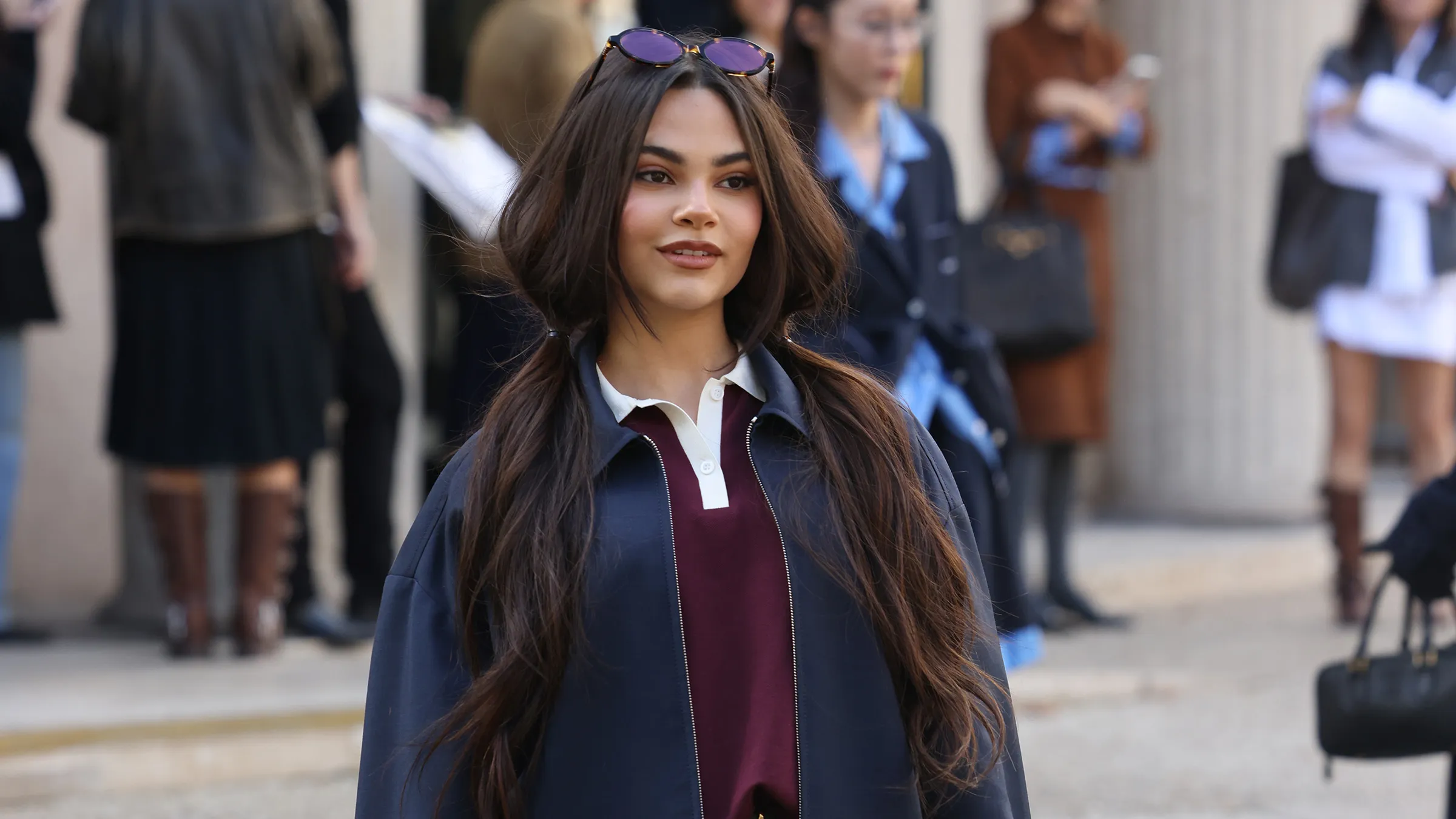
Fashion in 2026 has entered a post-trend era where individuality holds more value than seasonal aesthetics. Consumers no longer wait for trend forecasts to define how they dress. Instead, they build personal styles rooted in identity, lifestyle, and emotional connection. Post-trend fashion reflects a deeper cultural shift—one where meaning outweighs mass appeal and self-expression replaces trend compliance.
What Does Post-Trend Fashion Mean in 2026?
Post-trend fashion refers to a mindset rather than a style category. It rejects the traditional fashion cycle that dictated what to wear and when. In 2026, people dress based on who they are, not what is trending.
This approach empowers individuals to move beyond external validation. Clothing becomes a personal language, shaped by values, experiences, and daily needs rather than runway influence.
Moving Beyond Seasonal Trends and Runway Cycles
Seasonal fashion cycles once controlled consumer behavior. That influence has weakened significantly. Today’s consumers see trends as optional references, not rules.
With faster access to global inspiration, people no longer wait for spring or fall collections. They curate wardrobes continuously, guided by relevance rather than release calendars.
How Post-Trend Fashion Redefines Personal Style
Personal style in 2026 focuses on consistency rather than novelty. People refine their look over time instead of reinventing it every season.
This redefinition values authenticity. A strong personal style reflects identity, lifestyle, and purpose rather than temporary popularity.
Why Identity-Driven Style Is Dominating 2026 Fashion
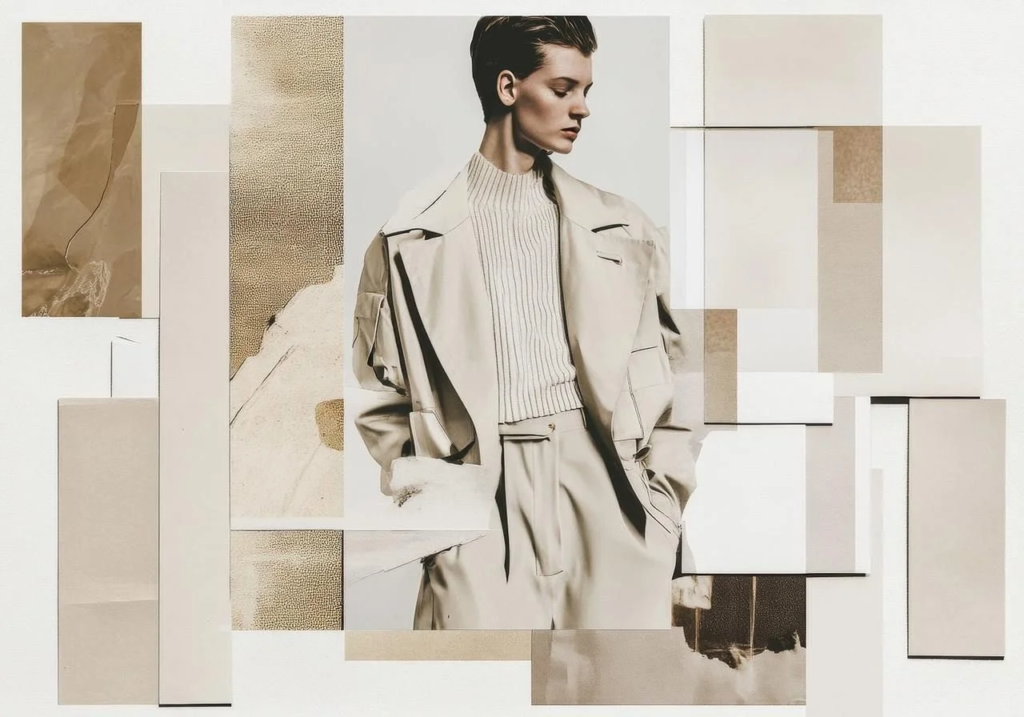
Identity-driven fashion dominates because consumers demand representation, relevance, and emotional alignment. Clothing now reflects personal narratives rather than mass aesthetics.
This shift connects fashion to culture, values, and lived experience. Brands that fail to acknowledge this change struggle to maintain relevance.
Self-Expression Over Mass Aesthetics
Mass aesthetics no longer resonate with modern consumers. People want clothing that feels personal, not generic.
Identity-driven style allows wearers to communicate who they are without explanation. This autonomy has become more valuable than fitting into predefined fashion categories.
Cultural, Digital, and Lifestyle Influences on Identity
Cultural background, digital presence, and daily routines now shape style choices. Online communities influence fashion more than traditional fashion houses.
Consumers explore diverse inspirations and filter them through personal experience. This layered influence creates unique and meaningful wardrobes.
The Role of Individualism in Post-Trend Dressing
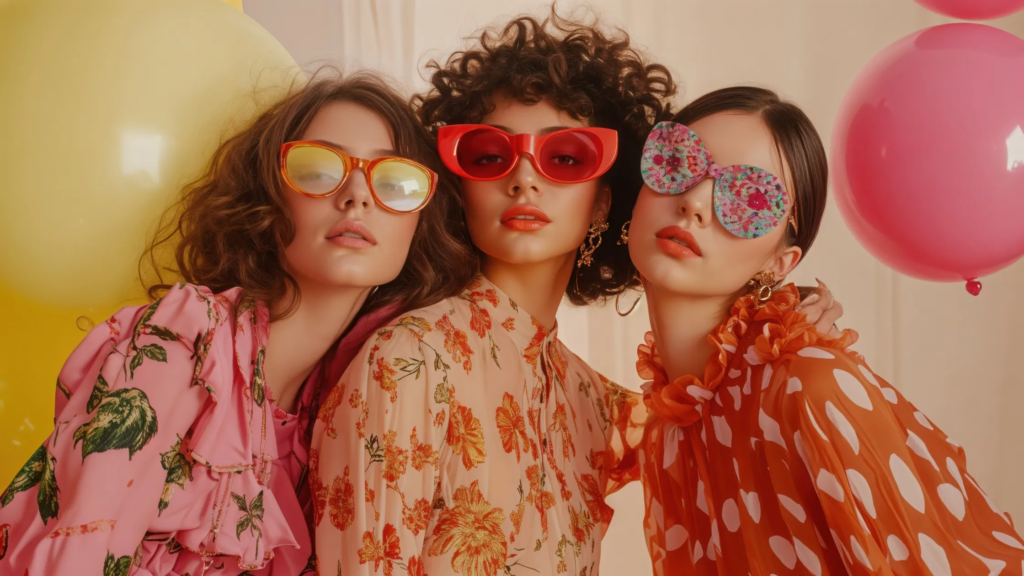
Individualism sits at the core of post-trend fashion. It encourages experimentation without pressure and supports personal evolution over time.
Rather than following a single aesthetic, individuals blend influences to create styles that feel authentic and adaptable.
Mixing Eras, Subcultures, and Personal Narratives
Post-trend dressing embraces contrast. Vintage pieces coexist with modern essentials. Subcultural references mix freely without strict boundaries.
Each outfit tells a story. Clothing choices reflect memories, beliefs, and inspirations rather than trend alignment.
Rejecting Labels in Favor of Fluid Style Choices
Rigid fashion labels feel limiting in 2026. People resist being defined by one aesthetic or category.
Fluid style choices allow flexibility. This freedom supports self-expression and encourages confidence in personal taste.
How Social Media and Technology Shaped Post-Trend Fashion
Technology reshaped how people discover and interpret fashion. Social platforms no longer push uniform trends; they support niche communities.
This decentralization empowers individuals to define style independently rather than follow algorithm-driven popularity.
Algorithm-Free Style and Niche Fashion Communities
Many users intentionally move away from algorithm-heavy platforms. They seek smaller communities that prioritize creativity over virality.
These spaces encourage originality. Fashion becomes a shared conversation rather than a competitive showcase.
Digital Identity and Its Impact on Real-World Dressing
Digital identity influences real-world clothing choices. Online personas reflect personal values, which translate into wardrobe decisions.
This alignment creates consistency between how people present themselves online and offline.
Sustainability and Conscious Consumption in Post-Trend Fashion
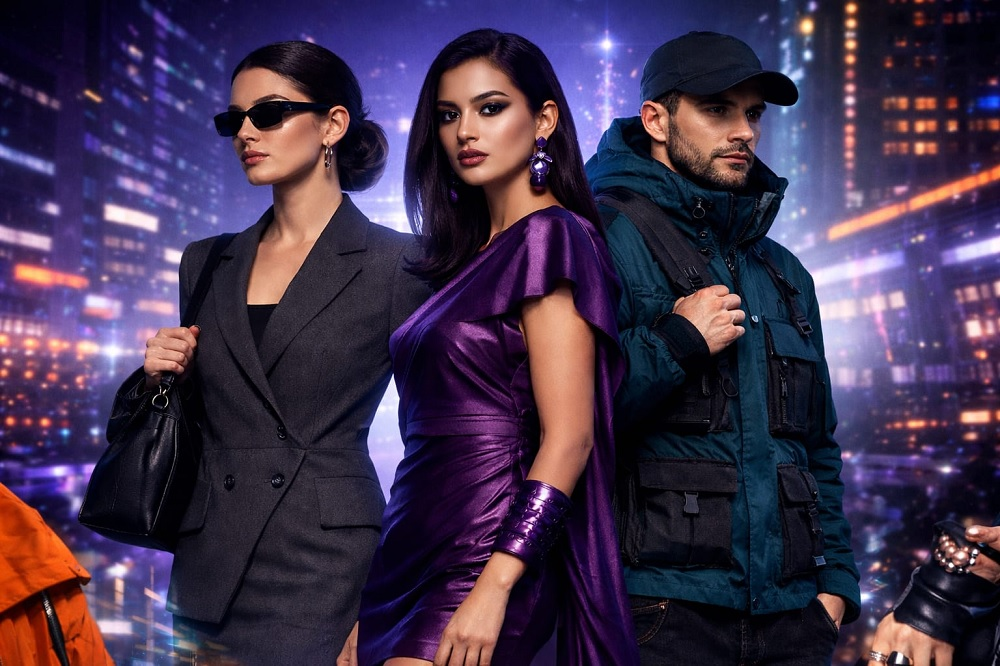
Post-trend fashion aligns closely with conscious consumption. People invest in fewer pieces that hold meaning and last longer.
This mindset reduces waste and promotes thoughtful decision-making without forcing minimalism.
Buying Less but Choosing with Intention
Consumers now research before purchasing. They consider quality, origin, and versatility.
Platforms like RetialHub help shoppers compare value-driven options while aligning purchases with personal priorities.
Emotional Durability and Long-Term Wardrobes
Emotional durability matters as much as physical quality. Clothing that resonates emotionally stays in wardrobes longer.
This connection supports sustainability naturally, without relying on guilt-driven messaging.
Post-Trend Fashion vs Traditional Trend Cycles
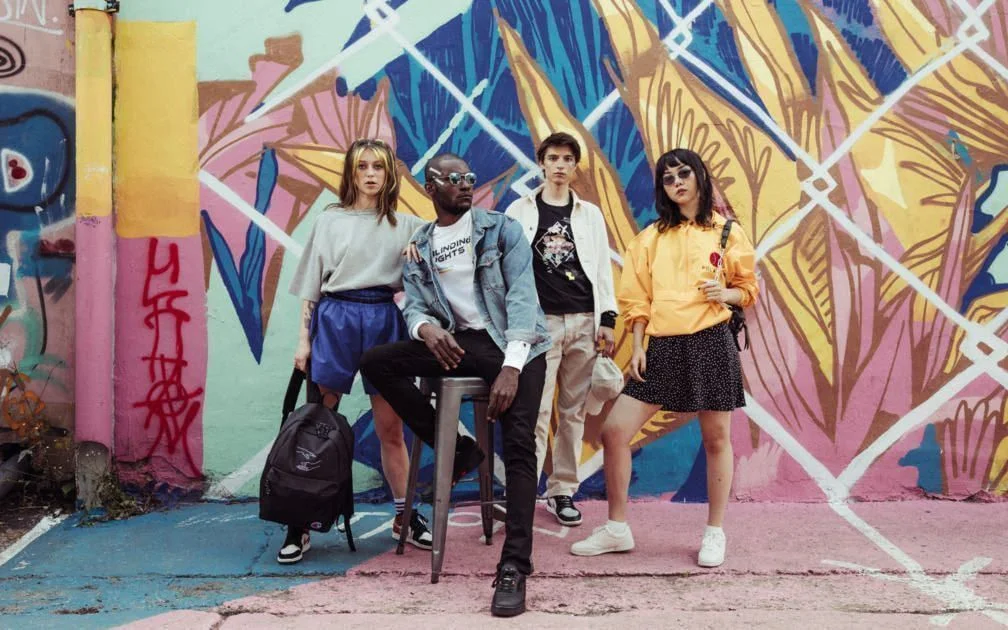
Traditional trend cycles relied on authority and repetition. Post-trend fashion thrives on relevance and individuality.
This shift redistributes power from institutions to individuals.
The Decline of Trend Forecasting Authority
Trend forecasting no longer dictates consumer behavior. People view forecasts as inspiration, not instruction.
Access to diverse information sources empowers independent decision-making.
Why Personal Relevance Replaced Mass Appeal
Personal relevance determines value in 2026. If clothing does not fit lifestyle or identity, it loses appeal.
Consumers increasingly rely on trusted resources like RetailsReview to evaluate authenticity and usability rather than popularity.
Building an Identity-Driven Wardrobe in 2026
An identity-driven wardrobe starts with self-awareness. It evolves through reflection rather than trend adoption.
This approach simplifies choices and strengthens personal confidence.
Defining Your Style Values and Influences
Understanding personal values guides better decisions. Lifestyle, comfort, culture, and function play key roles.
Tools like CouponNvoucher help consumers make informed purchases while aligning value with intention.
Curating Pieces That Reflect Personal Meaning
Meaningful pieces create coherence. Each item serves a purpose beyond appearance.
Strategic buying through platforms such as DealsProvide supports mindful wardrobe building without excess.
The Future of Post-Trend Fashion Beyond 2026

Post-trend fashion will continue shaping the industry. It encourages brands to prioritize storytelling, flexibility, and authenticity.
This evolution benefits both consumers and designers.
How Identity-Driven Style Will Influence the Industry
Brands adapt by offering modular collections and inclusive narratives. Customization and transparency gain importance.
Consumers reward brands that respect individuality and support self-expression.
The Long-Term Impact on Brands, Designers, and Consumers
Designers gain creative freedom. Consumers gain confidence and clarity.
As platforms like RetialEscaper and CouponNvoucher grow, informed choices will define fashion’s future.
Conclusion
Post-trend fashion in 2026 reflects a cultural shift toward identity, meaning, and conscious choice. It removes pressure to follow trends and replaces it with confidence in personal style. Clothing becomes a tool for self-expression rather than social approval.
With guidance from trusted platforms like DealsProvide, RetialHub, and RetialsReview, consumers can navigate this landscape thoughtfully. Post-trend fashion does not tell people what to wear—it empowers them to decide for themselves.
