


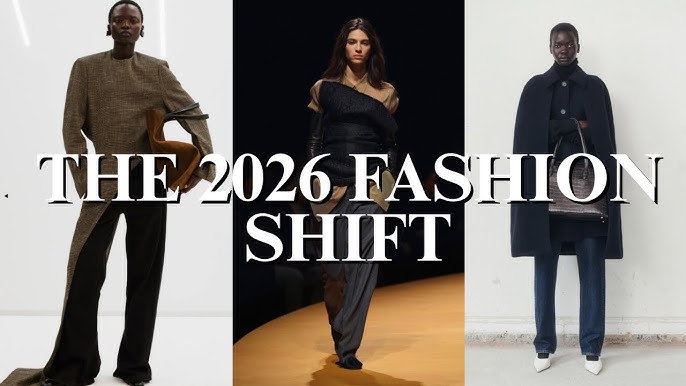
Fashion in 2026 no longer follows the old playbook. The industry has undergone a fundamental shift driven by technology, sustainability, and changing consumer values. Trends now move differently, style feels more personal, and shoppers hold more power than ever before. What once felt exclusive and rigid has become flexible, inclusive, and deeply connected to real life.
For platforms like RetialHub, RetialEscaper, CouponNvoucher, RetailsReview, and Dealsprovide, these changes matter because modern fashion is no longer just about clothing—it reflects how people live, think, and spend. Understanding this transformation helps consumers make smarter choices and helps brands stay relevant in a rapidly evolving retail world.
How 2026 Redefined the Fashion Rulebook
From Seasonal Trends to Year-Round Style
For decades, fashion revolved around strict seasonal calendars. Spring, summer, fall, and winter collections dictated what people wore and when. In 2026, that cycle feels outdated. Consumers now build wardrobes around versatility rather than seasons.
Layering, modular outfits, and adaptable fabrics dominate modern collections. A jacket designed for mild winters now works for cool summer evenings as well. This shift aligns perfectly with how people shop today—strategically, consciously, and with long-term value in mind. Platforms like RetialHub increasingly highlight timeless fashion deals over short-lived trends.
Why Personal Identity Now Matters More Than Trends
In 2026, fashion has become a language of self-expression rather than trend obedience. People dress for who they are, not what magazines or runways dictate. Style choices reflect values, moods, and individuality.
Social platforms amplify this shift by rewarding originality instead of conformity. Consumers trust peers more than fashion authorities, which has changed how brands communicate. RetailsReview and Dealsprovide now focus on practical styling and honest reviews because shoppers care about real experiences more than hype.
The End of Fast Fashion as We Knew It
Fast fashion hasn’t disappeared, but it no longer dominates the conversation. Overproduction, waste, and unethical practices have pushed consumers to rethink impulsive buying. In 2026, shoppers prefer fewer, better-quality items.
Brands that adapted early now thrive by offering durable clothing and transparent sourcing. Consumers use platforms like CouponNvoucher and RetialEscaper to find better deals on long-lasting fashion rather than cheap, disposable pieces.
Technology’s Role in Shaping 2026 Fashion
AI-Driven Design and Smart Customization
Artificial intelligence has reshaped how fashion is designed and sold. In 2026, AI tools analyze consumer behavior to create designs that reflect actual demand. This reduces waste and improves customer satisfaction.
Customization also feels more accessible than ever. Shoppers can adjust colors, fits, and materials before purchasing. Retail-focused platforms such as RetialHub benefit from this shift by connecting users with brands that prioritize smart, tailored shopping experiences.
Digital Fashion, Virtual Try-Ons, and the Metaverse Effect
Virtual try-ons have become a standard feature. Shoppers can see how clothes fit their body type before buying, which has dramatically reduced returns. This innovation saves time, money, and resources.
Digital fashion also gained momentum through online avatars and virtual events. While physical clothing remains essential, digital style now complements it. RetailsReview often highlights brands that successfully bridge physical and digital fashion experiences.
How Data Is Replacing Guesswork in Style
Fashion decisions once relied on intuition and risky forecasting. In 2026, data guides nearly every step. Brands understand what customers want before they even search for it.
This data-driven approach improves inventory management and pricing strategies. Consumers benefit through more accurate recommendations and better discounts, especially when browsing curated offers on Dealsprovide and CouponNvoucher.
Sustainability Is No Longer Optional
Eco-Conscious Materials Becoming the New Standard
Sustainable materials have moved from niche to mainstream. Organic fibers, recycled fabrics, and low-impact dyes dominate new collections. Consumers now expect brands to justify how their products are made.
Retail platforms such as RetialEscaper help users identify environmentally responsible brands, making ethical shopping more convenient than ever.
Why Consumers Demand Transparency from Brands
In 2026, vague sustainability claims no longer work. Shoppers want clear information about sourcing, labor conditions, and production processes. Brands that communicate openly earn trust and loyalty.
This transparency-driven mindset aligns with review-based platforms like RetailsReview, where honest insights influence purchasing decisions more than traditional advertising.
Circular Fashion and the Rise of Rewear Culture
Resale, rental, and repair services have become integral to the fashion ecosystem. Circular fashion encourages extended product life cycles and reduces waste.
Consumers proudly rewear and restyle outfits instead of constantly buying new ones. Dealsprovide often features offers that support resale platforms and repair-friendly brands, reinforcing this sustainable mindset.
The Power Shift from Brands to Consumers
Social Media Communities Driving Global Trends
In 2026, trends emerge from online communities rather than fashion houses. A single post can inspire millions worldwide within hours.
This decentralization has changed marketing strategies. Brands collaborate with communities instead of controlling narratives. Platforms like RetialHub track these shifts to help consumers stay informed and ahead.
Micro-Influencers Over Mega Fashion Houses
Micro-influencers offer relatability and trust. Their recommendations feel genuine because they live lifestyles similar to their audiences. This credibility outweighs celebrity endorsements.
Retail discovery platforms now prioritize user-generated content because it reflects real-world usage and honest feedback.
Why Authenticity Beats Luxury Logos in 2026
Status no longer depends on brand names. Authenticity, comfort, and values matter more than logos. Shoppers invest in pieces that align with their beliefs rather than signal wealth.
This change reshapes how discounts and promotions work. CouponNvoucher focuses on value-driven fashion rather than label-driven consumption.
Gender, Size, and Style Boundaries Are Disappearing
Gender-Fluid Fashion Goes Mainstream
Fashion in 2026 embraces fluidity. Clothing categories no longer revolve around gender. Design prioritizes fit, comfort, and self-expression.
Consumers enjoy more freedom in choosing styles that feel authentic. Retail platforms adapt by improving filtering and recommendations beyond traditional gender norms.
Inclusive Sizing Redefines the Runway
Inclusive sizing is no longer optional—it’s expected. Brands that fail to represent diverse bodies lose relevance quickly.
This inclusivity extends to online shopping experiences. Platforms like RetialEscaper highlight brands that offer realistic sizing and inclusive designs.
Comfort and Confidence Over Traditional Norms
Comfort has become a priority. Soft fabrics, ergonomic designs, and functional aesthetics dominate collections. People dress for their lives, not for outdated expectations.
This practical approach aligns with the growing popularity of honest reviews and deal-focused platforms like RetailsReview and Dealsprovide.
Why the 2026 Fashion Shift Truly Matters
Fashion as a Reflection of Social Change
Fashion in 2026 mirrors cultural transformation. It reflects conversations about identity, responsibility, and mental well-being. Clothing tells stories about who people are and what they value.
How These New Rules Impact Everyday Consumers
Shoppers benefit from better quality, transparency, and personalization. They save money by buying intentionally and using platforms like CouponNvoucher to access meaningful deals instead of impulse purchases.
What the Future of Fashion Looks Like Beyond 2026
The future points toward deeper integration between technology, sustainability, and individuality. Fashion will continue evolving as a service rather than a status symbol.
Conclusion:
The fashion industry in 2026 operates under new rules shaped by conscious consumers, smart technology, and social awareness. These changes matter because they give people more control, better options, and a stronger connection to what they wear.
For shoppers and platforms like RetialHub, RetialEscaper, CouponNvoucher, RetailsReview, and Dealsprovide, this evolution creates opportunities to shop smarter, dress meaningfully, and support a more responsible fashion future. Fashion no longer tells people who to be—it finally listens to who they already are.
